World Tourism Day (WTD)
Introduction:
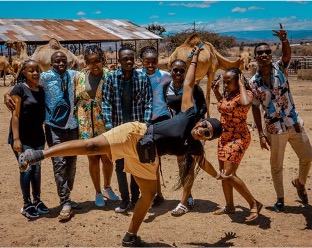
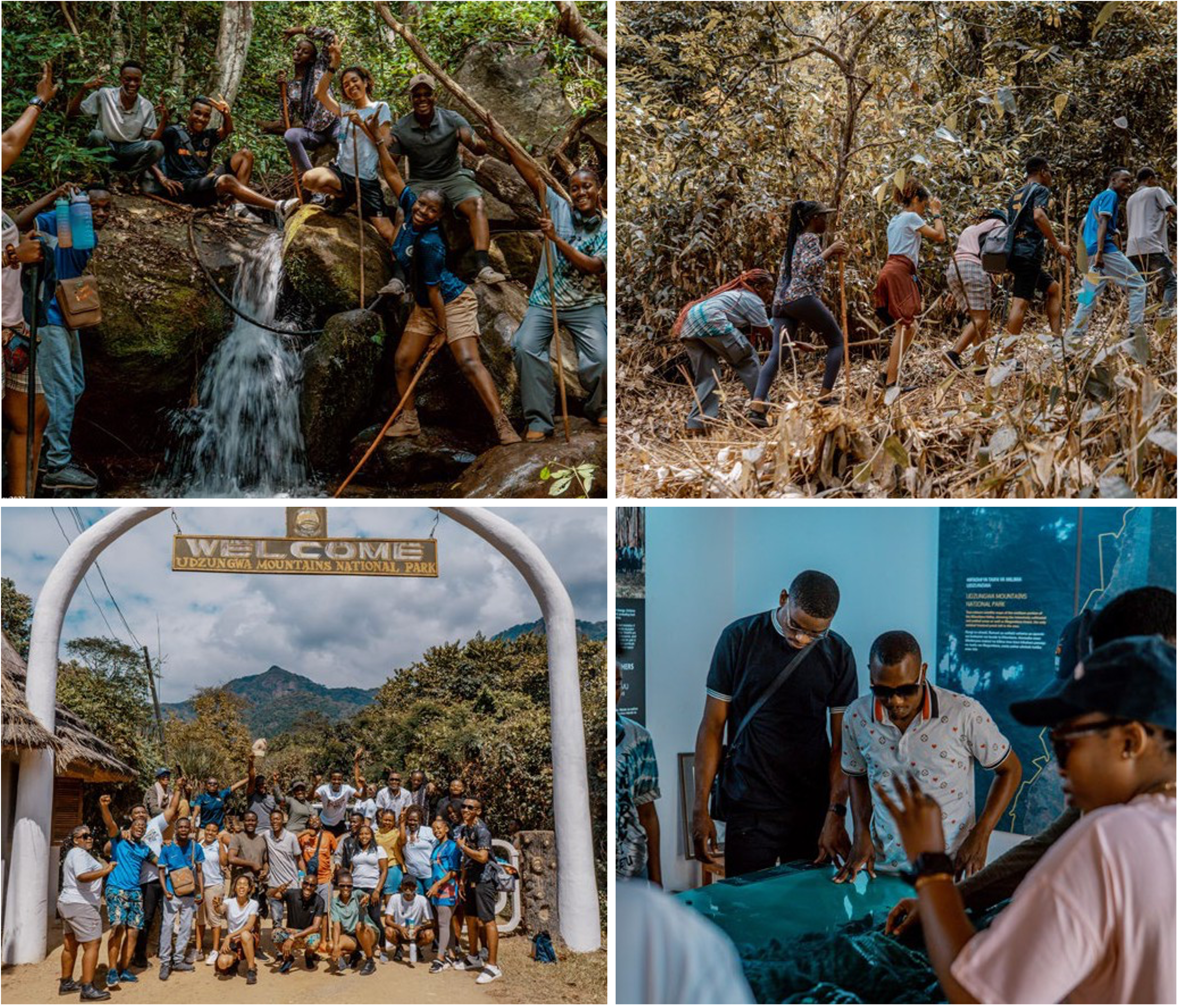
In the heart of Tanzania, where the sun paints the landscapes in hues of warmth, and the winds carry whispers of history, the World Tourism Day (WTD) Commemoration 2023 unfolded as a celebration of cultural richness and a call to preserve our heritage. Under the theme “Asili Yangu, Fahari Yangu” (My Heritage, My Pride), this commemoration wasn’t just an event; it was a symphony of voices, a mosaic of traditions, and a journey into the soul of Tanzania.
From the bustling symposium halls to the serene cultural visits, every moment resonated with the vibrant spirit that makes our nation unique. As we delve into this report, let the pages unfurl the narrative of a nation coming together to celebrate, learn, and envision a future where cultural pride and sustainable tourism intertwine to weave the story of Tanzania’s tomorrow. Through these initiatives, YUNA aims to build a strong, empowered, and informed community of youth leaders dedicated to driving social change and sustainable development.

Resolutions from the Symposium
The symposium recognized the transformative potential of technology in enhancing cultural heritage- tourism. Participants called for increased investment in digital tools and platforms to promote cultural heritage sites, showcase intangible cultural assets, and create immersive experiences for visitors. The resolution also emphasized the importance of using technology to improve accessibility and inclusivity in cultural tourism, ensuring that all individuals can fully engage with and appreciate cultural heritage.
Participants emphasized the need to create immersive cultural experiences that go beyond traditional sightseeing. They called for the development of interactive exhibits, multimedia presentations, and augmented reality applications that bring cultural heritage to life. The resolution also highlighted the importance of involving local communities in the creation of immersive experiences, ensuring that these experiences are authentic and respectful of local traditions and knowledge.
The symposium recognized the crucial role of youth in preserving and promoting cultural heritage. Participants called for initiatives that empower young people to become active participants in cultural heritage tourism. This includes providing them with education and training opportunities, supporting youth-led entrepreneurship, and involving them in decision-making processes related to cultural heritage management. The resolution also emphasized the importance of fostering intergenerational dialogue and knowledge exchange, ensuring that young people learn from the wisdom and experience of elders while also bringing their fresh perspectives and innovative ideas to the field of cultural heritage tourism.